Exploring the Future of Workholding Tools in High-Speed Fabrication Processes
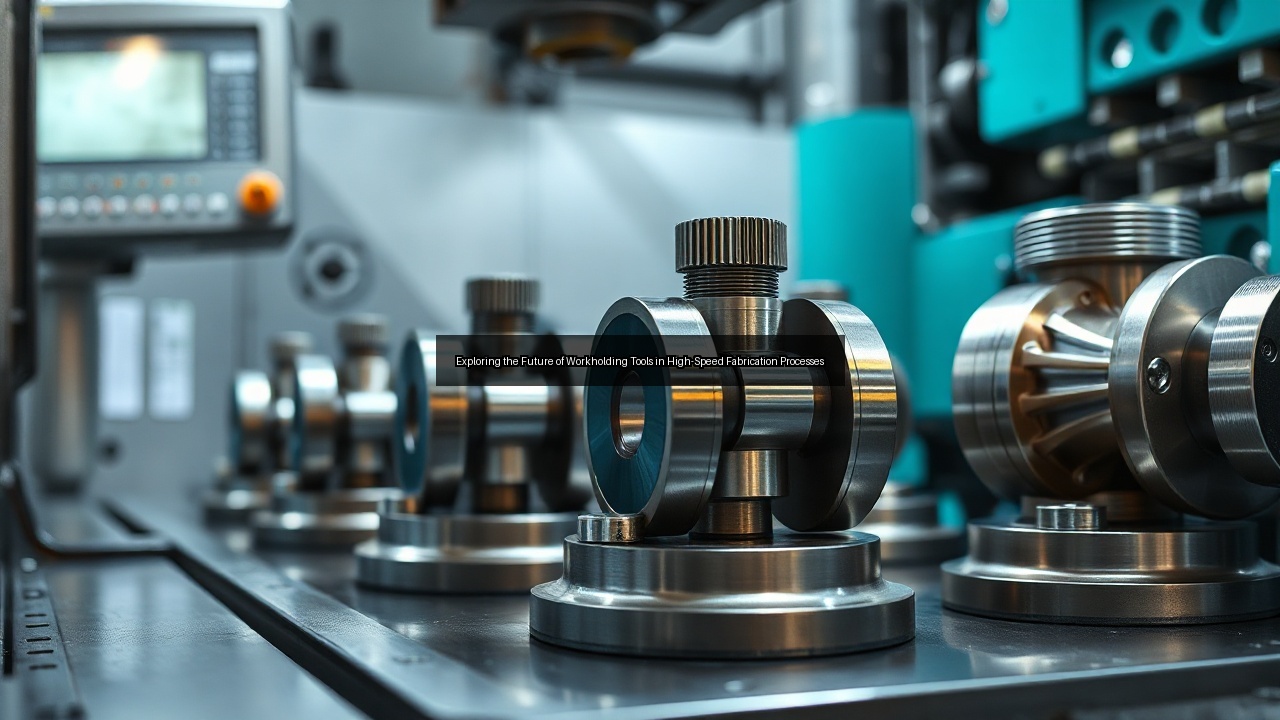
The Evolution of Workholding Fixtures in High-Speed Fabrication
Historical Overview of Workholding Tools
The journey of workholding fixtures has significantly shaped the landscape of high-speed fabrication processes. In the early days of metalworking, basic clamps and vises served as rudimentary fixtures, offering minimal support and accuracy. As technology advanced, manufacturers recognized the need for more sophisticated solutions, leading to the development of custom jigs and fixtures tailored to specific machining tasks. The introduction of CNC machine tools marked a pivotal moment, allowing for greater precision and repeatability. These advancements laid the groundwork for the sophisticated workholding systems we see today, which are crucial for optimizing workflow in modern manufacturing environments.
Advancements in CNC Machining Technology
CNC machining technology has revolutionized the way workholding fixtures operate. Modern CNC machines are equipped with advanced capabilities, such as multi-axis movement and real-time monitoring, which enhance the efficiency of fabrication processes. These machines require fixtures that can accommodate a variety of workpieces and withstand the high forces generated during machining. As a result, manufacturers have developed workholding tools that employ innovative materials and designs, significantly improving accuracy and reducing setup times. The integration of CNC technology with workholding solutions continues to push the boundaries of what is possible in precision manufacturing, leading to increased productivity and reduced costs.
The Role of Automation in Workholding Solutions
Automation plays a crucial role in the evolution of workholding fixtures. Automated systems streamline the setup and adjustment of fixtures, minimizing human error and reducing idle time. Robotics and automated tooling solutions allow for rapid changes between different workpieces, enhancing flexibility in production lines. Automated workholding systems often utilize hydraulic and vacuum technologies to securely grip materials, ensuring stability during high-speed machining operations. As manufacturers increasingly adopt automation, the need for versatile and intelligent workholding solutions becomes even more paramount, driving further innovations in fixture design and application.
Key Technologies Driving Workholding Innovations
Hydraulic and Vacuum Workholding Systems
Hydraulic and vacuum workholding systems have become essential in high-speed fabrication due to their ability to provide strong and reliable clamping forces. Hydraulic fixtures use pressurized fluid to apply force, allowing for quick adjustments and secure holding of various workpieces, especially those with complex geometries. Vacuum systems utilize suction to hold lightweight materials firmly in place, making them ideal for delicate components often found in aerospace applications. These technologies not only enhance accuracy but also contribute to faster cycle times, ultimately improving overall workflow efficiency. As manufacturers continue to explore these systems, the integration of smart technologies promises to further enhance their capabilities.
The Impact of 3D Printing Technologies (FDM and SLA)
3D printing technologies, particularly Fused Deposition Modeling (FDM) and Stereolithography (SLA), have significantly impacted the design and production of workholding fixtures. These additive manufacturing techniques enable rapid prototyping of custom jigs and fixtures tailored to specific machining tasks, offering flexibility and speed that traditional manufacturing methods cannot match. FDM allows for cost-effective production of durable plastic fixtures, while SLA provides high-resolution components ideal for precision applications. The ability to quickly iterate designs reduces lead times and enhances the ability to adapt to changing manufacturing needs, making 3D printing a game-changer in the realm of workholding solutions.
Precision Jigs and Fixtures in Aerospace Applications
The aerospace industry demands the highest levels of precision in manufacturing processes, making the development of specialized jigs and fixtures vital. Precision workholding fixtures ensure that components are held securely and accurately throughout machining operations, which is critical when working with high-performance materials. Innovations in fixture design, such as modular and adjustable components, allow for greater versatility in handling various aerospace parts. This level of customization not only improves the accuracy of the machining process but also enhances overall manufacturing efficiency. As the aerospace sector continues to grow, the need for advanced workholding solutions will only intensify.
Challenges and Considerations in Workholding Design
Balancing Cost and Accuracy in Fixture Design
Designing effective workholding fixtures requires a careful balance between cost and accuracy. Manufacturers often face budget constraints that limit the materials and technologies they can employ. However, investing in high-quality fixtures can lead to significant long-term savings by reducing scrap rates and improving throughput. Designers must consider the specific requirements of each machining process, weighing the initial costs against potential gains in efficiency and accuracy. By optimizing fixture design for both performance and budget, manufacturers can achieve a competitive edge in the rapidly evolving landscape of fabrication processes.
Factors Influencing Workflow Efficiency
Several factors influence workflow efficiency in high-speed fabrication, and workholding design plays a critical role. The speed at which fixtures can be set up and adjusted directly impacts production timelines. Additionally, the choice of tooling and workholding systems influences the accessibility of parts during machining, affecting cycle times. Manufacturers must evaluate the interplay between fixture design, machining processes, and material characteristics to create an optimal workflow. An effective workholding solution not only enhances operational efficiency but also contributes to improved product quality and reduced manufacturing costs.
Selecting the Right Tooling for Different Machining Processes
The selection of appropriate tooling for various machining processes is vital to achieving desired outcomes. Different materials and geometries require specific workholding solutions to ensure stability and accuracy during operations such as milling, drilling, and turning. Manufacturers need to assess the characteristics of their workpieces and the demands of the machining process to choose the right workholding fixtures. This selection process involves considering factors such as force requirements, material compatibility, and the desired level of precision. A well-chosen tooling solution can significantly enhance machining performance and overall productivity in fabrication processes.
The Future Landscape of Workholding Tools
Emerging Trends in Fabrication Processes
Emerging trends in fabrication processes indicate a shift towards more intelligent and adaptable workholding solutions. The integration of IoT (Internet of Things) technologies allows for real-time monitoring and adjustments of fixtures, improving accuracy and efficiency. As manufacturers seek to enhance productivity while reducing costs, the demand for smart workholding systems will rise. These systems will not only optimize clamping forces but also provide valuable data for predictive maintenance and workflow optimization. This evolution highlights the importance of staying ahead of technological advancements in order to leverage new opportunities in the manufacturing sector.
Predictive Analytics and Smart Workholding Systems
Predictive analytics and smart workholding systems represent the future of workholding technology. By leveraging data from various stages of the manufacturing process, these systems can anticipate potential issues and suggest optimal adjustments in real-time. This capability enhances both accuracy and efficiency, allowing manufacturers to minimize downtime and reduce error rates. Smart fixtures equipped with sensors can monitor clamping forces and adjust accordingly, ensuring consistent performance throughout the machining process. As manufacturers increasingly adopt these technologies, the ability to make data-driven decisions will become a key differentiator in competitive markets.
The Importance of Speed and Force in Machining Efficiency
Speed and force are critical elements in achieving machining efficiency, especially in high-speed fabrication processes. The design of workholding fixtures must take into account the rapid movements of CNC machine tools and the forces generated during operations. Effective workholding solutions provide the necessary stability without compromising on speed, ensuring that production processes remain agile. Manufacturers must continually refine their workholding designs to accommodate these demands, focusing on materials and structures that optimize both speed and clamping force. This focus not only enhances machining performance but also contributes to higher quality outcomes in the finished products.
See Also
- The Intersection of Workholding Technology and Manufacturing Efficiency
- How Workholding Fixtures Drive Efficiency in Aerospace Manufacturing
- Key Trends Shaping the Future of Workholding Fixtures in Industry
- The Cost of Quality: Investing in High-Performance Workholding Fixtures
- The Ultimate Guide to Workholding Solutions for Aerospace Manufacturing